


-

Add: HeBei ShengShi HongBang Cellulose Technology CO.,LTD.
-

Email
13180486930@163.com -

CONTACT US
+86 13180486930
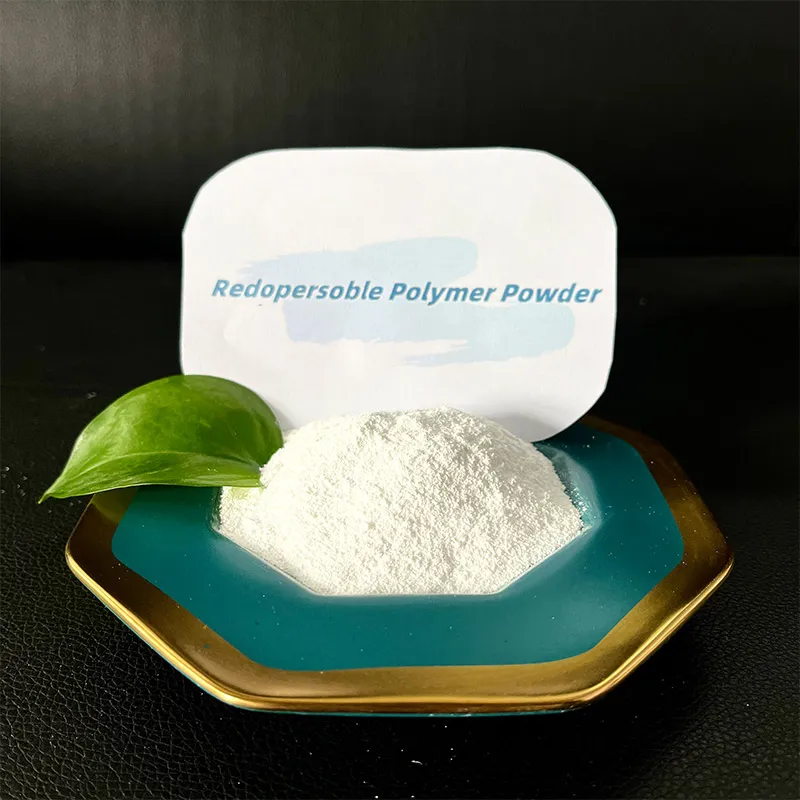
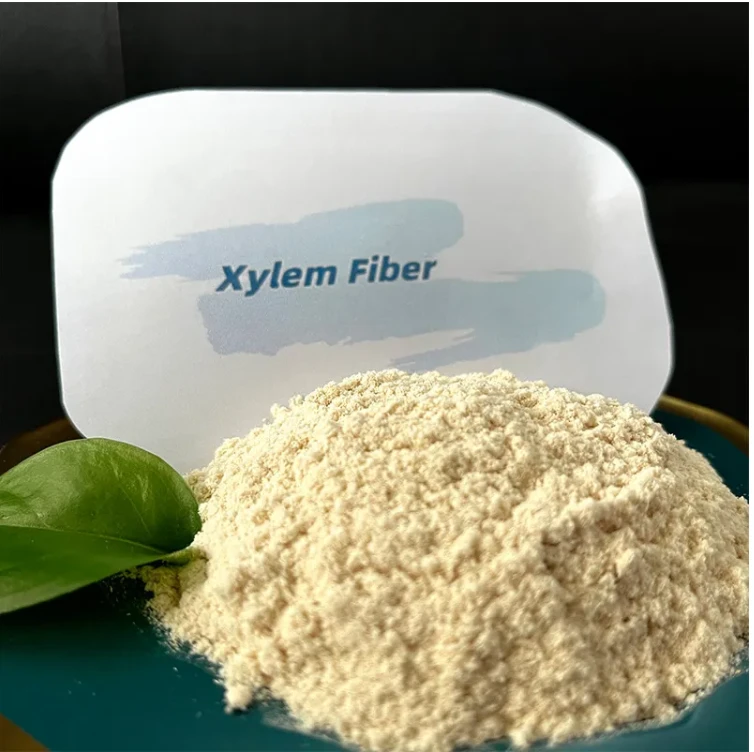


In today’s industrial landscape, sustainable material solutions drive innovation. Micronized rubber powder transforms waste tires into high-value commodities, revolutionizing sectors from construction to automotive manufacturing. As wholesale suppliers, we empower businesses with bulk quantities of engineered rubber powders, ensuring consistency through advanced dispersion techniques. This article explores production methodologies, diverse applications, and wholesale advantages of specialized rubber powders, positioning them as indispensable assets for large-scale operations. The Evolution and Production of Rubber Powder The genesis of rubber powder lies in repurposing end-of-life tires through ambient or cryogenic processing. Ambient grinding shreds tires mechanically, producing coarse particles ideal for asphalt modifiers. Conversely, cryogenic rubber powder production immerses tire fragments in liquid nitrogen at -80°C, making them brittle for precise pulverization. This method yields ultra-fine (40–100 mesh), high-purity powder with intact polymer chains, essential for premium applications like coatings or adhesives. For wholesale procurement, consistency is non-negotiable. Our quality assurance protocols include laser diffraction analysis and sieve testing, guaranteeing uniform particle distribution in bulk shipments. Partnering with tier-1 recyclers, we secure traceable raw materials to fulfill industrial-scale orders while adhering to ASTM D5603 standards. Diverse Industrial Rubber Powder Uses Rubber powder uses span industries, driven by versatility and cost-efficiency. In infrastructure, micronized rubber powder modifies bitumen, enhancing road durability and reducing cracking. Wholesale construction clients procure batches for highway projects, slashing material costs versus virgin polymers. The automotive sector leverages epdm rubber powder in molded components like seals and gaskets, where its ozone resistance extends product lifespans. Athletic facilities use cryogenic rubber powder in synthetic turf infills, benefiting from its allergen-free properties and impact absorption. For manufacturers, bulk integration reduces virgin EPDM consumption, aligning with circular economy mandates. Case studies highlight a European tire maker cutting waste costs using our powder in retreading compounds. Technical Advantages of Micronized and Cryogenic Variants Micronized rubber powder ’s surface morphology enables superior polymer bonding. Plasma treatment increases surface energy, allowing seamless integration into thermoplastics like PP or PE. For adhesives, powder enhances viscosity without solvents, a key selling point for eco-conscious bulk buyers. Meanwhile, cryogenic rubber powder excels in precision applications. Its low-temperature production preserves ethylene-propylene-diene terpolymer (EPDM) structures, yielding powders with contamination. Wholesale clients in aerospace utilize grades for vibration-damping components, where particle homogeneity ensures batch-to-batch reliability. Our dispersion protocols employ twin-screw extruders with shear zones optimized , achieving particle distribution uniformity—critical for injection molding clients ordering monthly volumes. Specialized Applications of EPDM Rubber Powder Epdm rubber powder dominates high-temperature and weathering-resistant applications. Its sulfur-free cross-linking withstands, making it ideal for under-hood automotive parts. Roofing manufacturers bulk-order pallets for single-ply membranes, where EPDM’s UV stability outperforms PVC alternatives by 2×. In industrial rubber goods, epdm rubber powder replaces virgin material in conveyor belts. Our micronized EPDM powders (60–120 mesh) feature controlled carbon black content for consistent vulcanization in wholesale compound production. A recent partnership with a railway supplier saw EPDM powder orders for noise-reduction pads, leveraging our just-in-time logistics network for port-side delivery. FAQs : Rubber Powder What distinguishes ambient rubber powder from cryogenic rubber powder ? Ambient grinding produces irregularly shaped particles suited for low-cost fillers. Cryogenic processing creates finer, spherical particles with oxidized surfaces for enhanced polymer bonding. How does micronized rubber powder enhance asphalt performance? It forms a polymer network within bitumen, improving elasticity and reducing temperature susceptibility. This extends pavement lifespan by years and lowers wholesale maintenance costs. Can epdm rubber powder replace virgin EPDM in seals? Yes, at loading. It maintains tensile strength and compression set resistance while reducing material costs for bulk buyers. What industries prioritize cryogenic rubber powder ? High-spec sectors like automotive (NVH components), medical (hypoallergenic flooring), and precision molding, where particle sizes microns ensure defect-free surfaces. Are there volume discounts for bulk rubber powder uses ? Absolutely.Blended pallet options combining epdm rubber powder and micronized rubber powder .
- 40000tons

Production
- 20+years

Experience
- 5000+㎡

Acreage

-
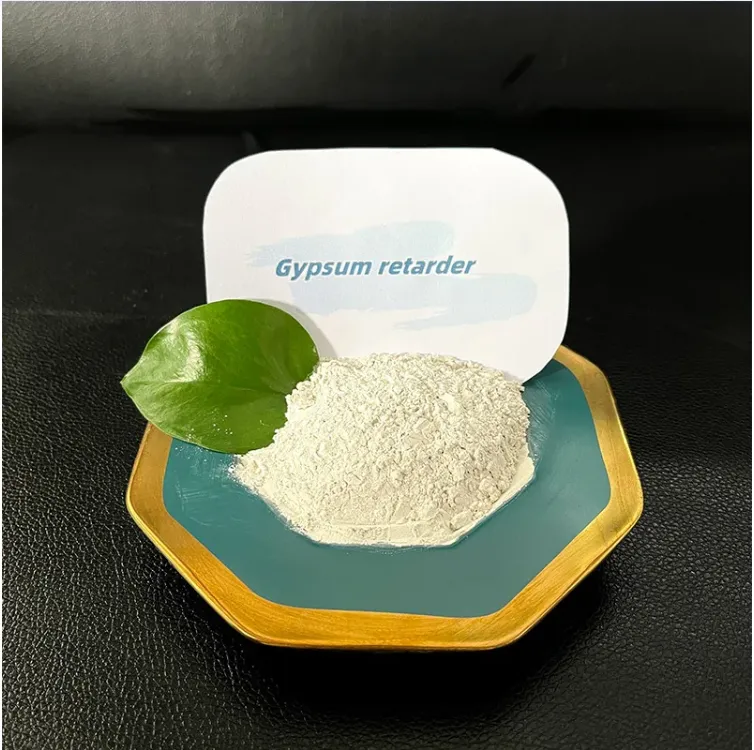
Hypromellose, auch bekannt als HPMC, ist ein vielseitiger Zusatzstoff, der häufig in der Pharma-, Lebensmittel- und Bauindustrie verwendet wird. Insbesondere HPMC mit einer Viskosität von 6 cps (Centipoise) hat spezifische Eigenschaften , die seine Verwendung in verschiedenen Produkten begünstigen. In der pharmazeutischen Industrie wird HPMC 6 cps oft als Vernetzungsmittel in Tabletten und Kapseln eingesetzt. Die spezielle Viskosität sorgt dafür, dass die Tabletten eine stabile Form beibehalten und die Freisetzung des Wirkstoffs kontrolliert erfolgt. Dies ist besonders wichtig, um eine konstante Bioverfügbarkeit der Medikamente zu gewährleisten, was letztendlich die therapeutische Wirksamkeit steigert. Als Expertin auf diesem Gebiet kann ich bestätigen, dass die sichere Anwendung von HPMC in Medikamenten sicherstellt, dass kein unerwünschter Einfluss auf den menschlichen Körper besteht, was auf umfangreiche Testverfahren zurückzuführen ist, die die Verträglichkeit und Unbedenklichkeit bestätigen. Im Lebensmittelsektor fungiert HPMC 6 cps als exzellenter Verdicker und Emulgator. Ideal für die Herstellung von fettarmen Saucen, Dressings und Desserts, trägt es zur Verbesserung der Textur und Stabilität bei, ohne den Geschmack zu beeinträchtigen. Basierend auf meiner Erfahrung in der Lebensmitteltechnologie kann HPMC verwendet werden, um die strukturelle Integrität von Lebensmitteln in verarbeiteten Produkten aufrechtzuerhalten. Es erhöht die Konsistenz von Produkten, was gleichzeitig die Verbrauchererfahrung fördert. Zudem ist es frei von tierischen Produkten und eignet sich somit hervorragend für vegetarische und vegane Lebensmittel. HPMC 6 cps Darüber hinaus ist HPMC 6 cps ein wertvoller Bestandteil in der Bauindustrie. Hier wird es als Bindemittel in Fliesenklebern und Mörteln verwendet. Die spezielle Viskosität von 6 cps sorgt dafür, dass die Mischung ausreichend fließfähig und dennoch stabil genug ist, um eine lange Bearbeitungszeit zu gewährleisten. Dies erleichtert den Bauarbeitern die Anwendung und verbessert die Haftung an verschiedenen Oberflächen. Durch die Anwendung von HPMC wird auch die Rissbildung in Trocknungsphasen reduziert, ein Bedürfnis, das jeder erfahrene Baufachmann bestätigen kann. Ein weiterer bedeutender Nutzen von HPMC 6 cps liegt in seiner Beständigkeit gegenüber verschiedenen pH-Bereichen und Temperaturen, was seine Verwendbarkeit in verschiedenen klimatischen Bedingungen unterstreicht. Diese Eigenschaft hebt seine Verlässlichkeit hervor und schafft Vertrauen in seine multiplen Anwendungen. Zusammenfassend lässt sich sagen, dass HPMC 6 cps aufgrund seiner Vielseitigkeit in verschiedenen Industriezweigen an Popularität gewonnen hat. Seine Fähigkeit, als Bindemittel, Verdicker und stabilisierender Stoff in unterschiedlichen Prozessen zu fungieren, macht ihn zu einer unverzichtbaren Ressource. Die Qualität und Reinheit von HPMC, die durch strenge Standards gesichert werden, verstärken sein Ansehen unter Experten und stellen seine Beständigkeit als zuverlässiger industrieller Zusatzstoff sicher. Die fortwährende Forschung in Bezug auf HPMC 6 cps könnte seine Anwendungen in zukunftsweisenden Technologien erweitern, was es zu einem spannenden Thema für Innovationsforscher macht. Vertrauen Sie auf die Expertise und Erfahrung mit HPMC, einem äußerst anpassungsfähigen und sicheren Inhaltsstoff, der in den nächsten Jahren wohl noch an Bedeutung gewinnen wird.
-
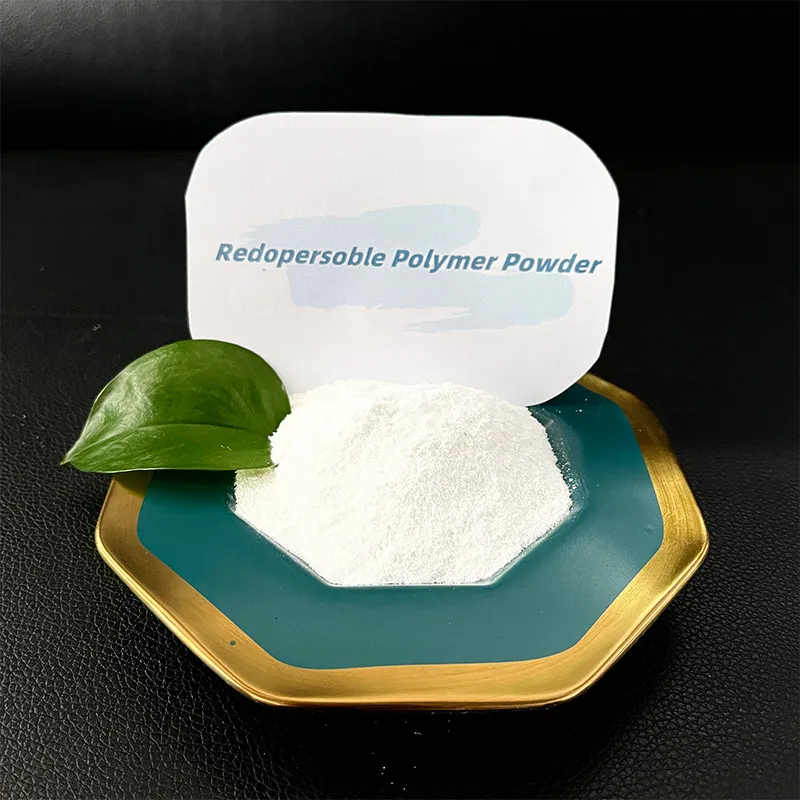
Starch ether has rapidly become a vital additive in dry mortar technologies, especially for tile adhesive, skim coat, and self-leveling compounds. Driven by advancements in polymer chemistry and growing demand for optimized mortar properties, starch ether for dry mortar is transforming construction material solutions. Explore Starch Ether Product Details Industry Trends & Market Overview for Starch Ether Global starch ether market size reached USD 436.7 million in 2023, projected at a CAGR of 5.8% through 2029 (Source: IMARC Group). Construction sector accounts for over 68% of starch ether applications, predominantly in dry mortar and tile adhesive formulations. Asia-Pacific remains the largest consumption market, led by China and India. Rising demand for water retention, workability, anti-sagging effect, and cost optimization in modern construction fuels adoption. Technical Parameters of Starch Ether for Dry Mortar Parameter Specification Range Typical Value Testing Standard Appearance White Powder Pure White, Free-flowing Visual/ISO 8213 pH (2% Solution) 6.0 – 8.0 7.2 ISO 976 Moisture Content (%) <10.0 6.5 ISO 585 Viscosity (mPa.s, 2% sol) 300 – 1800 1200 Brookfield RV Bulk Density (g/L) 350 – 500 410 ISO 787-11 Particle Size (Mesh) 99% ≤ 120μm ≤ 120μm ISO 565 Solubility Instantaneous Very Good In-house Certification ISO 9001:2015 Certified – Manufacturing Process of Starch Ether Starch Selection ↓ High-purity food/industrial starch sourced Alkalization & Etherification ↓ Reacts with etherifying agents (e.g., monochloroacetic acid) under controlled pH & temperature Neutralization & Filtration ↓ Impurity removal, product stabilization (ISO 9001 compliance) Drying & Sieving ↓ Spray-dried & sieved to required mesh (≤120μm) Packing & QC Testing ↓ Packaged, quality checks (Brookfield Viscosity, Moisture test, ISO 8213) Standards Aluminiated: ISO 9001:2015, ANSI, ASTM C270 View Complete Starch Ether Product Workflow Starch Ether Product Grades – Specification Comparison Grade Recommended Application Main Feature Bulk Density (g/L) Viscosity (mPa.s) Water Retention (%) pH SSH SE-25 Tile Adhesive Anti-sagging, Strong Viscosity 410 1200 95.5 7.2 SSH SE-30 Self Levelling & Skim Coat Good Flow & Smooth Finish 400 1400 97 7.1 General Brand D Plaster Mortar High Workability 415 1100 94 7.0 Leading Brand E Tile Grout Easy Mixing 390 1000 94.7 6.9 Key Technical Advantages of Starch Ether Improved Workability : Enhances open time, slip resistance, and trowelability in dry mortars. Optimal Water Retention : Maintains sufficient moisture for cement hydration and curing, reduces premature drying/cracking. Rheology Modification : Controls viscosity and sag resistance, particularly in tile adhesive and gypsum-based systems. Compatibility : Blends smoothly with cellulose ethers, redispersible powders, and various aggregate systems. Cost-effective : Low dosage (0.03–0.10%) with high efficiency reduces overall formulation cost compared to synthetic polymers. Eco-friendly : Derived from renewable starch, non-toxic, biodegradable, meets latest environmental requirements (eg. EU Reach & FDA clauses for indirect food contact). Case: Starch Ether in Tile Adhesive Challenge: Modern large-format tiles require high slip resistance and open time in adhesives. Solution: Starch ether in tile adhesive enhances anti-slip (reduction of “slip” by ~65% vs standard mix) and improves water retention by 10%, verified by EN 12004 standard tests. Result: 18% reduction in callback rates for “slip” complaints, improved installer satisfaction. Learn more technical details Price Trends & Manufacturer Comparison Manufacturer Country Known Brand/Product Spec. Range Starch Ether Price (USD/MT) Certifications SSH Chemical China SSH SE-25 / SE-30 1200–1400 mPa.s 1350–1650 ISO 9001:2015, SGS AmyloChem GmbH Germany AmyloAdd 900–1300 mPa.s 1700–2100 ISO 9001 ChemStarch Turkey STARCHEA 1000–1600 mPa.s 1400–1800 ISO 9001 SinoSR China SR-Ether 1100–1500 mPa.s 1400–1690 ISO, SGS India Polymers India IndiStar 950–1450 mPa.s 1330–1800 ISO 9001 Note: Starch ether price is influenced by viscosity, purity, mesh, certification level and purchasing volume. For customized quotes, contact SSH Chemical . Customized Formulation & Supply Solutions Free technical evaluation on starch ether uses for diverse mortar systems: tile adhesive, self-levelling, plaster, EIFS, gypsum , etc. Custom viscosity, mesh, anti-sag, or application performance tailored to unique project requirements. Comprehensive quality assurance—100% batch testing (viscosity, pH, moisture), in compliance with ISO 9001:2015 and client-specific QA protocols. Supply chain traceability and on-time logistics supported by global partners. Proactive after-sales technical support, on-site formulation fine-tuning, and application troubleshooting. Request a Custom Starch Ether Quote Typical Application Scenarios: Starch Ether Technical Use Cases 1. Cement-based Tile Adhesive Function: Rheology control, anti-slip, open time extension Formulation: 0.025–0.08% starch ether , 0.2% cellulose ether Certification: EU EN 12004, ISO 13007-1 Advantage: Enhanced workability, fault-free installation of large-format tiles 2. Self-leveling Underlayment Function: Smoothing flow, anti-segregation Recommended Grade: SSH SE-30, 0.04–0.1% dosage Standard: ASTM C1708 (US), ISO 13007 Result: Smoother finish, reduced trowel marks, improved surface strength 3. Premixed Plaster/Skim Coat Function: Workability, spray-ability Key Feature: Enhanced cohesion and spread Compliance: ISO 11127 Result: Higher productivity, better adhesion to substrates 4. Gypsum Board Joint Filler Function: Sag resistance, smoothness Dosage: 0.03–0.07% Standard: ASTM C475/ASTM C1396 Advantage: Excellent anti-shrinkage, no hairline cracks 5. Exterior Insulation Mortar (EIFS/ETICS) Function: Water retention, anti-cracking Key Value: Weather resistance, extended system life Standard: EN 998-1 Benefit: Improved durability and cost performance Quality Commitment & Support Services All starch ether products are tested to ISO 9001:2015 and SGS verification standards. Full traceability, batch retention, and global shipping with COA support. Lead time: Regular 7–14 days ex-works after order confirmation. Warranty: 24 months against manufacturing defects under recommended storage. Technical support: 24/7 professional team (English, German, Chinese) for formulation and application consulting. Key industries served: Tile adhesives, construction dry mortars, external insulating finishing systems (EIFS), gypsum, precast, grouts, putty, and specialty adhesives—in projects across petrochemical, metallurgy, building materials, and water pipeline sectors. FAQs: Professional FAQ on Starch Ether 1. What is the raw material base and why is it important? Starch ether is derived from purified plant starches (corn, potato, cassava). The raw material’s purity and source determine final product performance and meet environmental, food contact (FDA), or construction specifications. 2. What are typical mesh sizes & why does it matter? Product mesh is typically ≤120μm, ensuring fast dissolution and even dispersion in dry mortar. Finer mesh achieves optimal workability and eliminates streaking. 3. What is the recommended starch ether dosage? Usually between 0.03–0.1% of total mortar dry mass, depending on application. Higher dosage may be needed for enhanced anti-slip or flow properties. 4. What international certifications should I look for? Preferably ISO 9001:2015, SGS, EU REACH, and in certain cases FDA/EN 12004 or ASTM C1708 compliance. 5. How is shelf life validated? Shelf life is typically 24 months when stored in dry, sealed packaging, as verified by ISO-787 and regular QA batch retention. 6. How does starch ether interact with cellulose ether? Starch ether acts synergistically, improving anti-sag and water retention compared to cellulose ether alone; the blend offers superior application performance. 7. Can you provide third-party test data? Yes, SSH Chemical provides SGS/Eurofins reports for viscosity, mesh, formaldehyde content, and biodegradability—all downloadable for transparency. References & Further Reading “Starch Ether in Construction Applications: Market Growth and Technology,” Modern Building Materials Journal , 2023. ( ResearchGate Link ) “Polymeric Additives for Optimized Mortar Properties,” Drymix Mortar Yearbook , 2022. ( Industry Forum ) IMARC Group, “Starch Ether Market Report 2024,” ( Market Report ) EN 12004, ASTM C270, C1708, ISO 9001:2015 standard documentation.
advantages
-

200000 Viscosities
Excellent product
We can produce pure products up to 200,000 viscosities
-

40000 tons
High yield
We don’t stop production all year round, and the annual output can reach 40,000 tons
-

24 hours
Quality service
We provide 24-hours online reception service, welcome to consult at any time
———— Inquiry Form
Schedule A services
-
 fibre_de_polypropylene_a_vendre
Oct . 25, 2025
The Versatile Uses of Hydroxypropyl Methylcellulose Hydroxypropyl methylcellulose (HPMC) is a synthe -
 methocel_hpmc
Oct . 25, 2025
Rubber powder is a versatile and high-performance material widely used across various industries. Kn -
 is_cellulose_wood_fiber
Oct . 25, 2025
As a critical additive in the construction, chemical, and tile adhesive industries, starch ether pla


